

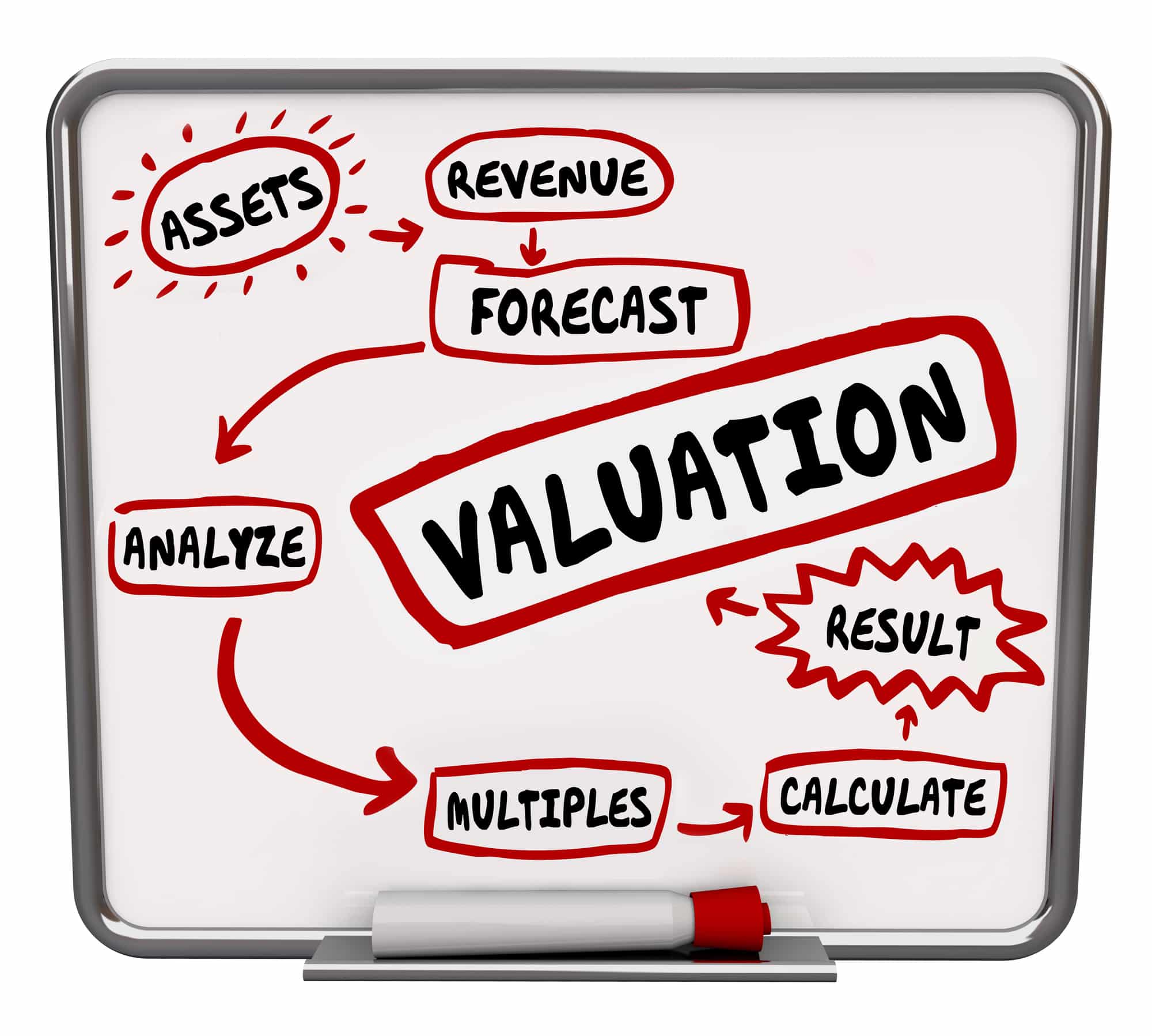
Valuing a business can seem like a complex task, but understanding how to value a business accurately is crucial for both buyers and sellers. There are various methods to consider, each providing a different perspective on a company’s worth. Here’s an overview of some common approaches to how to value a business:
Table of Contents
Using Discounted Cash Flow
One effective method for how to value a business is the Discounted Cash Flow (DCF) approach. This method focuses on estimating the future cash flow of the business and discounting it back to its present value. By assuming that cash flow remains consistent, you can project future earnings and estimate the company’s worth over time. The DCF method is especially useful when you want to evaluate the sustainability and growth potential of a business. However, it requires accurate assumptions about future earnings and appropriate discount rates, which can be a challenge.
Assets Approach
Another way to value a business is by using the Assets Approach. This method involves assessing the total value of the company’s physical assets, such as buildings, equipment, and inventory. The idea is that a company with valuable assets will typically have a higher market value. However, how to value a business through the assets approach has limitations. It does not consider the company’s ability to generate income or its potential for future growth. A company with a large inventory of assets but poor sales performance may not be as valuable as it seems.
Comparable Estimates
How to value a business can also be done by looking at Comparable Estimates. This method involves comparing the business you want to value to similar businesses that have recently been sold in the same industry or market. By analyzing the selling price of comparable businesses, you can get a rough estimate of what your business might be worth. However, the key challenge here is finding truly comparable businesses, as factors such as location, market conditions, and business performance can vary widely.
Income Multipliers
One of the simplest ways to value a business is through Income Multipliers. This approach applies a multiplier to the business’s gross income or revenue to determine its value. For example, if a certain industry uses a revenue multiplier of 0.6, and the business in question has $100,000 in revenue, the estimated value of the business would be $60,000. While this method is quick and easy, it may not always be accurate, as higher revenues don’t always translate into higher profits. Therefore, when using income multipliers, it’s important to consider the business’s profitability, not just its top-line revenue.
The Bottom Line: Which Method is Best for How to Value a Business?
Choosing the right method for how to value a business depends on several factors, including the industry, business model, and available data. Each method has its pros and cons, so it’s essential to weigh the advantages and drawbacks of each one before deciding. How to value a business effectively requires understanding the specific dynamics of the company you are evaluating, whether it’s based on future earnings potential, tangible assets, or market comparisons.
To get an accurate valuation, it’s recommended to consult with a professional business valuator. They can help you determine the most appropriate method for your situation and ensure that all variables are properly considered.
Read our other blog post: Top 10 Strategies to Boost Business Value
Connect with our expert valuer, Adrien Giraud, to learn more.
FAQ
What is the best method for how to value a business?
There is no single “best” method, as the right approach depends on the type of business and its circumstances. Discounted cash flow is useful for forecasting future earnings, while asset-based methods work well for asset-heavy businesses. In many cases, professionals use a combination of methods to arrive at a more accurate and well-rounded valuation.
When should I use the discounted cash flow (DCF) method?
The DCF method is most appropriate when a business has stable and predictable cash flow. It is particularly useful for evaluating long-term growth potential, as it focuses on future earnings. However, it relies heavily on assumptions, so accurate financial forecasts are important for reliable results.
Is the asset-based approach reliable for valuing a business?
The asset-based approach can be reliable for businesses with significant physical assets, such as manufacturing or property-heavy companies. However, it does not account for income generation or intangible assets like brand value, so it may undervalue businesses that rely more on reputation or customer relationships.
How do comparable estimates help value a business?
Comparable estimates involve analysing recent sales of similar businesses in the same industry. This provides a practical benchmark based on real market activity. While useful, adjustments are often needed to reflect differences in size, location, and performance.
Are income multipliers accurate for business valuation?
Income multipliers can provide a quick estimate, especially for small businesses, by applying an industry multiple to revenue or earnings. However, they can oversimplify valuation because they don’t fully consider factors like expenses, growth potential, or risk.
Why do different valuation methods produce different results?
Each method focuses on different aspects of a business, such as assets, income, or market comparisons. Because of this, results can vary. This is why it’s common to use multiple approaches to gain a more complete understanding of a business’s value.
Should I rely on one valuation method or multiple?
It is generally better to use multiple valuation methods. Combining approaches helps provide a more balanced and accurate estimate, as each method highlights different strengths and risks within the business.
Do I need a professional to value a business?
While you can perform basic calculations yourself, a professional valuer provides a more detailed and reliable assessment. They consider both financial and non-financial factors and ensure the valuation is suitable for negotiations, sales, or legal purposes.
The material and contents provided in this “How to value a business” publication are informative in nature only. It is not intended to be advice and you should not act specifically on the basis of this information alone. If expert assistance is required on how to value a business, professional advice should be obtained.
Liability Limited by a scheme approved under Professional Standards Legislation
Read our other blogs:
Unlocking an Exit Strategy Through Business Valuations
How To Sell Your Business
Sell Your Business to a Competitor
Marketplace Valuation: 6 Risks That Undermine Your Sale
SAV: 6 Costly Mistakes That Can Distort Your Sale Price